
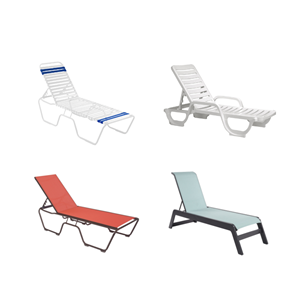
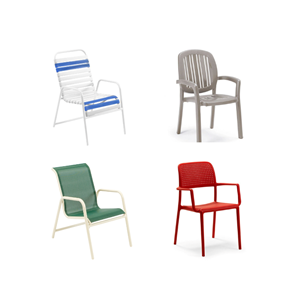
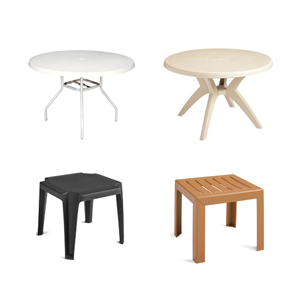
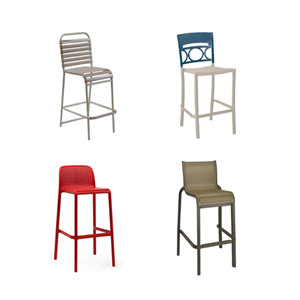
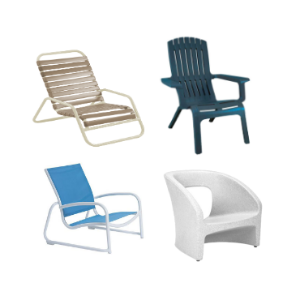
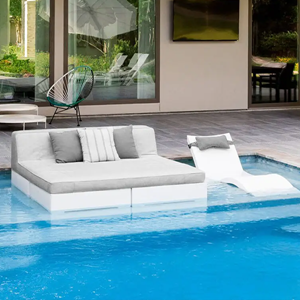
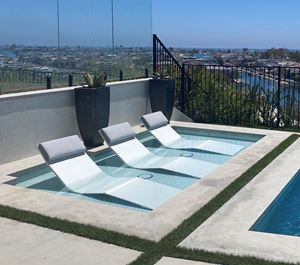
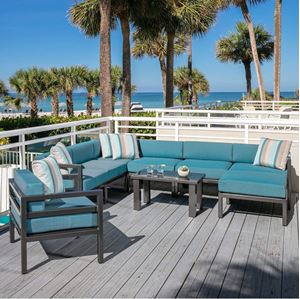
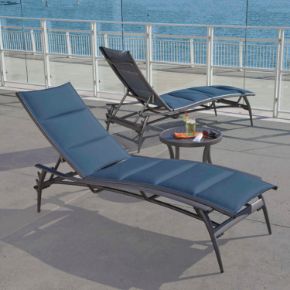
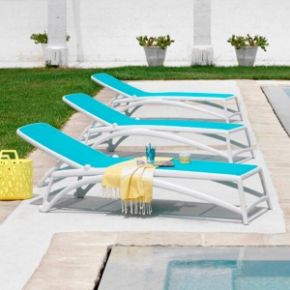
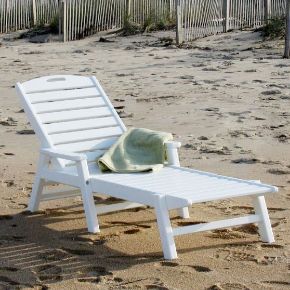
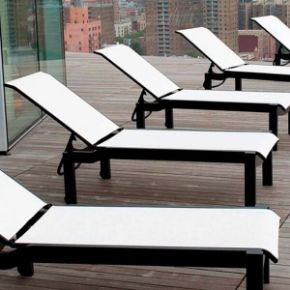







When the weather finally turns warm, most focus on opening the pool. But from a professional standpoint, your pool furniture deserves just as much attention. After months in winter storage — or worse, exposed to the elements — outdoor pieces often need more than a quick rinse.
Every spring, we see the same issues: rust creeping along joints, mildew hiding in cushions, straps that snap the first time someone leans back, and finishes dulled by moisture and temperature swings. The good news? With a little prep and elbow grease, you can restore your outdoor pool furniture and have your backyard looking resort-ready before the first pool party.
Here’s how to get your pool furniture summer-ready the right way.
Start With a Full Inspection
.png)
Before cleaning anything, bring every chair, lounger, and table into the open. Inspect each piece in full daylight.
For commercial pool environments, especially, structural stability isn’t optional — it’s a liability consideration.
Check Structural Stability
Gently test each piece:
- Wobbly legs
- Loose screws or bolts
- Small cracks in resin
- Rust forming around joints and hardware
Small issues only grow under daily summer use — especially on wet decks. Tightening hardware and correcting minor instability now prevents mid-season repairs and safety concerns later.
Deep Clean — Based on Material
Ideally, your outdoor patio furniture for pools was cleaned before winter storage. However, even properly stored pieces collect dust, debris, and surface buildup over time. A light but thorough seasonal refresh is still necessary.
Different materials require different care. Using the wrong cleaner can strip finishes, weaken seating materials, or void warranties. Most of the time, you can use Dawn dish detergent with a soft-bristle brush, rag, or sponge for general cleaning. However, always review the manufacturer’s recommendations before applying stronger products for more stubborn buildup.
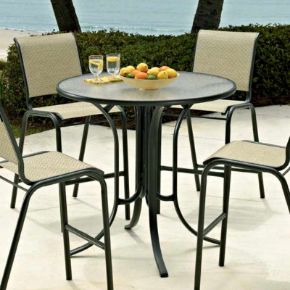
Aluminum Pool Furniture
.png)
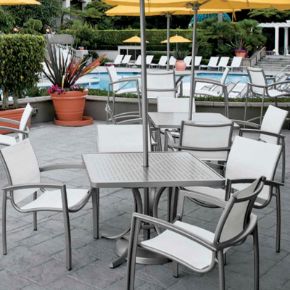
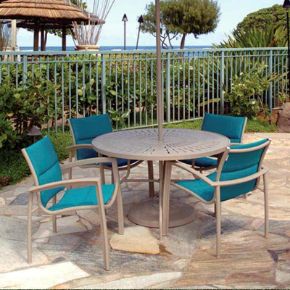
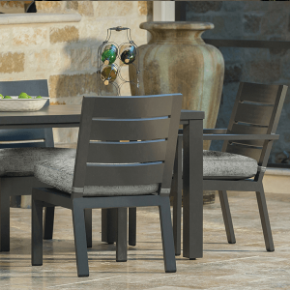
Aluminum remains a top choice for pool decks because it’s lightweight and rust-resistant. However, it can oxidize over time, particularly in chlorine-heavy or coastal environments.
Spring refresh steps:
- Wash with mild dish soap and warm water
- Use a soft cloth, sponge, or soft-bristle brush
- Rinse thoroughly
- Inspect powder coating for chips and touch up to protect the metal
Avoid acidic or harsh chemical cleaners that can break down protective coatings.
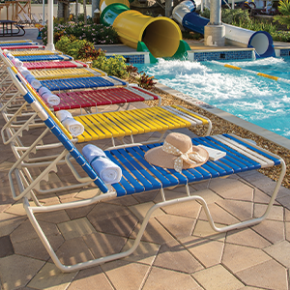
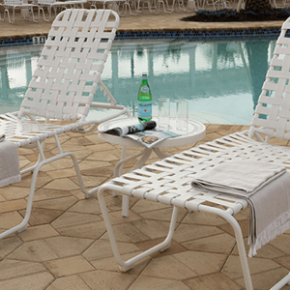
Vinyl Strap Seating
.png)
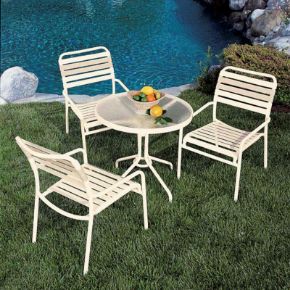
Even when cleaned prior to storage, vinyl straps collect fine dust and residue during the off-season.
- Clean with mild dish soap and warm water
- Use a soft-bristle brush to gently scrub both the top and underside of the straps
- Rinse thoroughly to remove possible sunscreen and chemical buildup
Avoid abrasive pads or undiluted bleach. Gentle maintenance preserves flexibility and keeps pool deck seating comfortable throughout the season.
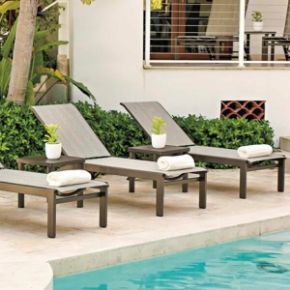
Sling Seating
.png)
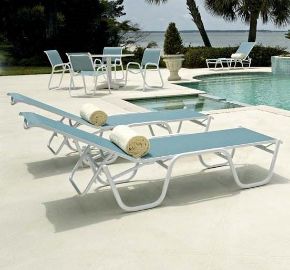
Sling fabric performs exceptionally well around pools due to its quick-dry design — but it still requires careful cleaning.
- Wash with mild dish soap and warm water
- Use a soft-bristle brush to clean both the top and underside of the sling
- Rinse completely and allow to air dry
Never use pressure washers, which can stretch or damage the fabric.
Outdoor Cushions
.png)
Even indoor-stored cushions accumulate dust and may retain hidden moisture.
- Remove covers if possible and follow manufacturer instructions
- Use mild detergent and a soft brush
- Rinse thoroughly
- Allow cushions to dry completely in direct sunlight
Full drying is critical before returning cushions to service in humid pool environments.
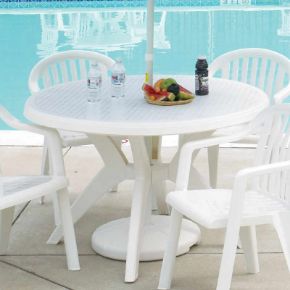
Plastic & Resin
.png)
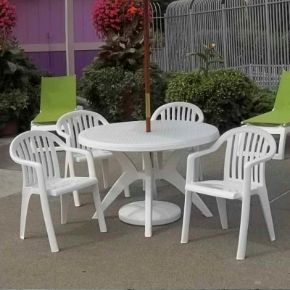
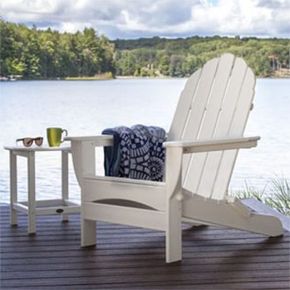
For resin furniture, storage can leave behind a chalky film:
- Wash with warm soapy water
- Use a microfiber cloth or soft sponge
- Rinse and dry thoroughly
Avoid anything that could potentially scratch the frame. Scratches make space for dirt or nasty contamination to nestle down into an otherwise non-porous surface.
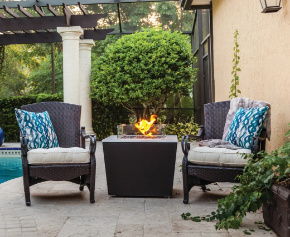
Resin Wicker
.png)
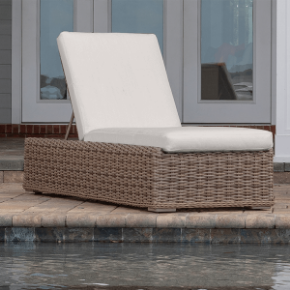
Wicker-style outdoor furniture looks great poolside but traps debris easily.
- Vacuum crevices first
- Use a soft brush and mild soap solution
- Rinse gently with a hose (not a high-pressure washer)
- Allow to dry completely in the sun
If mildew is present, a diluted vinegar solution can help — just test a small area first.
Deep cleaning your pool furniture is about more than appearance — it’s about preparation. Even if everything was cleaned before winter storage, a seasonal refresh removes accumulated dust and debris while giving you the perfect opportunity to inspect frames, seating, hardware, and cushions for early signs of wear. By cleaning each material properly and evaluating its condition at the same time, you ensure your pool furniture is not only spotless, but also structurally sound, comfortable, and ready to perform reliably throughout the entire season.
.png)
Know When It’s Time to Repair or Replace
In most situations, furniture frames will last far longer than the seating components attached to them — and they are also the most expensive part. High-quality aluminum and powder-coated steel frames are engineered for durability and long-term performance, representing the largest portion of your initial investment. In contrast, vinyl straps, sling fabric, and cushions endure constant UV exposure, tension, moisture, and pool chemicals, making them the first components to show wear. Understanding this difference allows you to replace seating materials strategically and cost-effectively, extending the life of your pool furniture without the higher expense of full frame replacement.
.png)
When to Replace Vinyl Straps
Consider replacement if you notice:
- Cracking or splitting
- Loss of flexibility
- Excessive fading or baked-in staining
- Looseness or sagging
It is important to note that some twisting or indentation can occur after storage and is normal. Place the strap furniture in direct sunlight, and they should rebound back to their original shape as they warm up.
If replacement straps are needed, they dramatically refresh commercial pool deck seating at a fraction of the cost of full furniture replacement. Our step-by-step vinyl strap replacement guide walks you through the process.
When to Replace Sling Fabric
Sling seating may need replacement if you see:
- Sagging fabric
- Torn seams
- Significant fading or staining
- Loss of tension
Installing new sling panels restores comfort and appearance. Our sling replacement instructions provide detailed guidance.
When to Replace Cushions
Replace cushions if you notice:
- Persistent mildew spots
- Musty odors after cleaning
- Flattened inserts
- Torn seams or severe fading
If cushions absorbed moisture internally during winter storage, cleaning may not fully resolve the issue. Replacing cushions or cushion covers can instantly modernize the space while preserving durable frames underneath.
When to Replace Hardware (Rivets, Glides & Fasteners)
Hardware is often overlooked, but it plays a critical role in safety and longevity — especially in chlorine-rich environments.
Inspect and replace hardware if you notice:
- Rusted or corroded rivets
- Loose or missing bolts
- Worn or broken glides
- Sharp edges from deteriorating fasteners
Rivets' secure straps can weaken or pop-off over time. Foot glides protect both furniture legs and your pool deck surface, preventing scratching and reducing moisture collection within the frame itself. Replacing small hardware components is inexpensive compared to full furniture replacement and can significantly extend usability.
In many cases, upgrading to stainless steel or other rust-resistant hardware, alongside seating components, keeps frames stable and service-ready for multiple additional seasons.
When Full Replacement Makes Sense
Consider full replacement if:
- Frames show structural damage or corrosion
- Plastic components are brittle and cracking
- Repairs exceed half the cost of new pieces
Often, refreshing straps, sling fabric, or cushions can extend the usable life of commercial frames by several additional seasons — extending your original investment.
Arrange for Flow & Function with Our Deck Designer
Before placing a single chair back on the deck, use our Deck Designer tool to plan your layout for the upcoming season.
Strategic placement improves both comfort and movement.
With the Deck Designer, you can:
- Create clear walking paths for wet traffic
- Separate lounging and dining zones
- Position seating for visibility and supervision
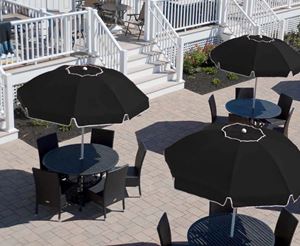
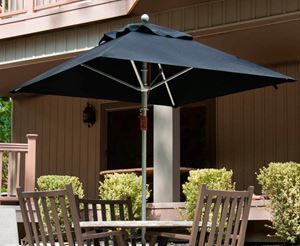
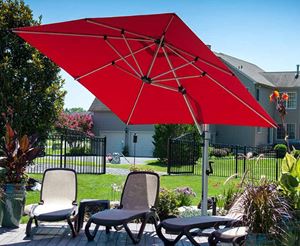
- Plan shade coverage for umbrellas and cabanas
- Reduce crowding along pool edges
For HOA communities and hospitality properties, thoughtful layout improves guest comfort while minimizing congestion and wear patterns.
Design first. Move furniture once. Set the tone for the entire season!
.png)
Pro Tip: Don’t Wait Until Opening Week
Order replacement straps, sling panels, cushions, or furniture early. Allow time for shipping and installation before peak pool season begins. Planning ahead avoids downtime once residents or guests are ready to swim.
Set the Tone for the Entire Season
Well-maintained pool deck furniture defines the experience of your space. Clean frames, refreshed seating, stable hardware, and intentional layout instantly elevate your pool from “just opened” to fully resort-ready.
The formula is simple:
Inspect thoroughly.
Clean correctly.
Refresh strategically.
Design intentionally.
A little preparation now means fewer disruptions mid-season — and more time enjoying pool parties, relaxing afternoons, and long summer evenings by the water.
Summer arrives quickly. The right prep ensures your furniture doesn’t just survive the season — it enhances it!
Leave your comment