




.png)
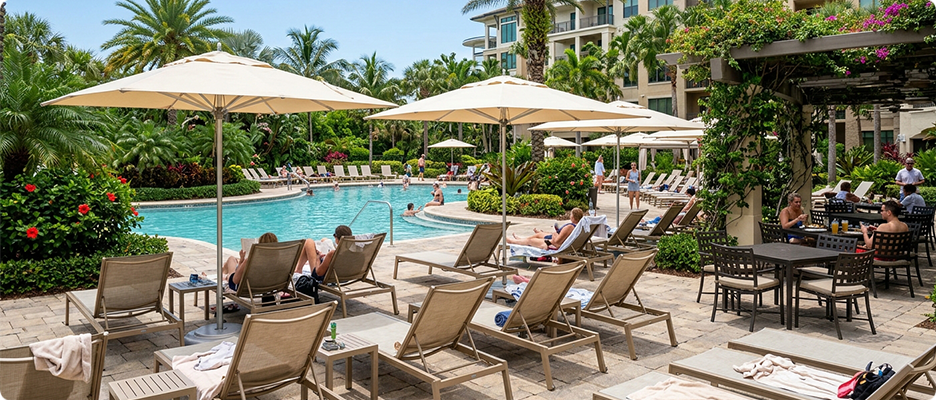
Choosing chaise lounges for a hotel, resort, condominium, or community pool involves more than finding a style that looks attractive on the deck. The right selection should accommodate your guests, complement the surrounding furniture, and fit the way your staff maintains and stores poolside seating.
From seating materials and frame construction to seat height, armrests, and stackability, each feature can influence how well a chaise lounge works in your space. This guide walks through the most important considerations so you can compare options confidently and prepare the information needed to request an accurate quote.
Start With How Your Poolside Furniture Will Be Used
Before comparing chaise lounge styles, consider how your facility operates throughout the day and across the season. A busy hotel pool deck may have different seating needs than a quiet residential community pool or a resort with designated lounging and dining areas.
Think about who will use the furniture, how frequently the seating will be occupied, and how often your staff will need to move or rearrange it.
Consider Your Facility's Daily Demands
- Guest traffic: Does your pool area experience frequent guest turnover, or is seating used more casually throughout the day?
- Guest needs: Will the furniture serve families, older adults, or guests who may benefit from additional seating support?
- Poolside activities: Will guests primarily sunbathe, read, socialize, or move between lounging and dining areas?
- Furniture movement: Will staff regularly reposition lounges for cleaning, events, or seasonal storage?
- Environmental exposure: Will furniture remain outdoors throughout the year, or will it be stored during part of the season?
A property with frequent turnover may prioritize practical cleaning and furniture movement, while a resort focused on extended relaxation may place greater emphasis on seating comfort and appearance.
Selection tip: There is no single chaise lounge that is ideal for every facility. Identify the features that matter most to your guests and staff before comparing individual models.
Understand the Difference Between Seating Materials and Frame Materials
.png)
One of the most important steps in selecting commercial chaise lounges is understanding that the seating surface and frame serve different purposes.
The seating surface influences how the lounge feels, how guests are supported, and how the furniture is cleaned. The frame provides the underlying structure and contributes to the chaise's overall weight, appearance, and construction.
Evaluating these components separately makes it easier to compare models.
Seating Surfaces: Comfort, Support, and Upkeep
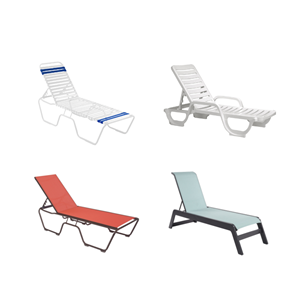
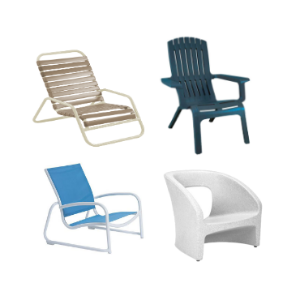
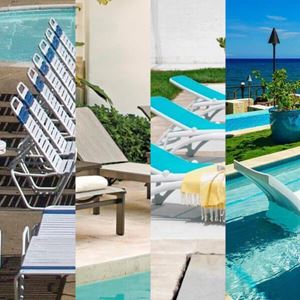
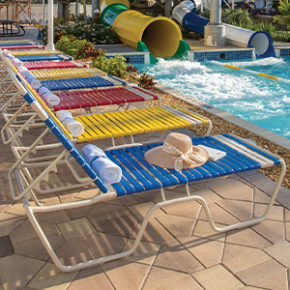
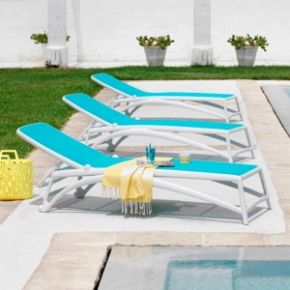
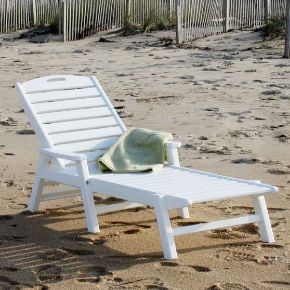
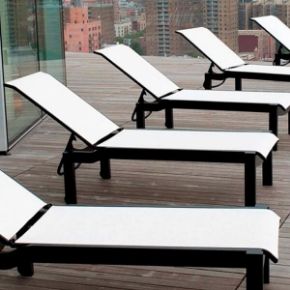
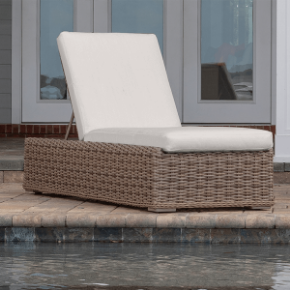
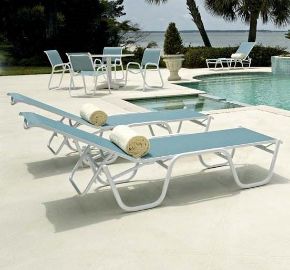
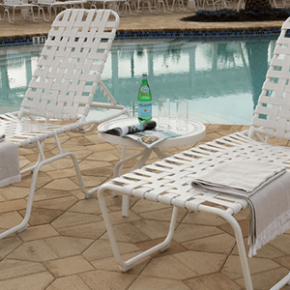
Commercial chaise lounges are available with several seating-surface options, including vinyl strap, sling fabric, padded sling, plastic resin, and other solid or cushioned designs.
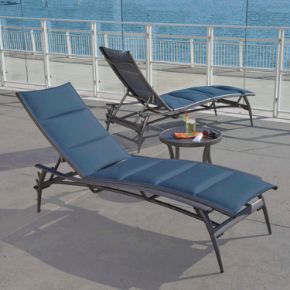
Vinyl strap and sling designs provide flexible seating surfaces, while solid resin designs offer a firmer feel. Padded sling and cushioned options introduce additional comfort considerations, along with their own cleaning and care requirements.
The best choice depends on your facility's priorities, the specific product's construction, and the maintenance practices your staff can reasonably support.
For a closer comparison of two popular seating styles, read our vinyl strap versus sling chaise lounge comparison.
If you are evaluating sling or padded sling options, our commercial pool furniture fabric guide explains additional considerations when choosing outdoor seating fabrics.
Frame Materials: Construction and Outdoor Exposure
The frame deserves equal attention because it supports the seating surface and determines many of the chaise lounge's structural characteristics.
Aluminum is a common frame material in commercial pool furniture. Other chaise designs may incorporate molded resin or different structural materials.
When comparing frames, review the manufacturer's information about construction, finish, intended environment, and care requirements.
Consider whether the furniture will be exposed to frequent splashing, rain, intense sunlight, or coastal conditions. These factors can affect which models and finishes are appropriate for your property.
What to verify: Rather than assuming every frame made from a particular material performs the same way, compare the specifications and care recommendations for the actual models under consideration.
Evaluate Seat Height, Armrests, and Backrest Adjustability
Comfort involves more than the material guests sit on. The height of the seat, presence of armrests, and adjustability of the backrest can influence how guests enter, exit, and use a chaise lounge.
These features are especially important when selecting furniture for properties serving guests with a range of ages and mobility needs.
Why Seat Height Matters
Seat height affects the distance guests must lower themselves to sit and rise again when standing.
A lower chaise may suit certain poolside designs, but it may be less convenient for guests who find it difficult to get up from low seating. A higher seating position may be preferable for some guests.
There is no universal seat height that works best for every property or every person.
When comparing models, check the manufacturer's stated seat height and consider the needs of your guests. For additional guidance, read what to consider when choosing senior-friendly chaise lounges.
For facilities concerned about accessibility, evaluate the actual furniture dimensions and applicable accessibility requirements rather than relying on a product's general description.
Should You Choose Chaise Lounges With or Without Arms?
Chaise Lounges With Arms
Armrests provide a convenient place to rest the arms and may offer support when entering or leaving the chaise, depending on their design and stability.
Armless Chaise Lounges
Armless designs provide unobstructed access from the sides, which some guests may find more comfortable or convenient.
Still deciding which configuration is best for your poolside? Explore our comparison of armless and armed chaise lounges for commercial pools for a closer look at how each style may fit your facility's seating needs.
Neither design is automatically better for every guest. A mix of styles may be worth considering if your facility serves a diverse range of users.
Review the actual armrest configuration, seat height, and overall construction together before making a selection.
Check Backrest Positions and Adjustment Features
Adjustable backrests allow guests to change their lounging position for activities such as reading, resting, or sunbathing.
However, not every chaise lounge offers the same adjustment mechanism or number of reclining positions.
When comparing products, confirm whether the backrest adjusts, how the adjustment operates, and which positions are available. Also consider how easily staff can inspect and maintain the adjustment components according to the manufacturer's instructions.
Plan for Stacking, Storage, and Daily Furniture Movement

Stackability can be a valuable feature for hotels, resorts, and other commercial pool facilities, particularly when furniture must be moved for cleaning, special events, or seasonal storage.
However, the term stackable does not tell you everything you need to know about a chaise lounge's storage requirements.
Why Stackable Chaise Lounges May Be Useful
Stackable models may help facilities consolidate unused seating and temporarily clear sections of a pool deck.
This can make routine operations more manageable when staff needs to clean surfaces, rearrange seating, or prepare the area for an event.
Before selecting a stackable design, determine how often your team will actually need to move the furniture. A facility that stores lounges daily may place greater importance on handling and stacking than one that leaves its seating arrangement largely unchanged.
What to Confirm Before Planning Storage
Not all chaise lounges stack in the same way, and some models are not designed to stack at all.
- Whether the exact model is stackable.
- Any stated stacking limits or instructions.
- The overall dimensions and weight of the chaise.
- The amount of storage space needed for the intended quantity.
- Whether cushions, pads, or accessories must be removed before stacking.
Storage tip: Do not assume two chaise lounges with similar appearances have the same stacking capacity or storage footprint. Measure your available storage area and verify the manufacturer's stacking guidance before ordering.
Consider Cleaning, Weather Exposure, and Long-Term Maintenance
Poolside furniture is routinely exposed to conditions that can affect its appearance and maintenance needs, including sunlight, moisture, sunscreen, cleaning products, and frequent guest use.
Choosing a chaise lounge that fits your facility's maintenance routine can make day-to-day care more manageable.
Match the Furniture to Your Cleaning Routine
Consider how your staff will clean and inspect the seating surfaces, frames, and moving components.
Some designs have broad, accessible surfaces, while others include straps, fabric panels, cushions, or additional details that require different cleaning methods.
Before choosing a model, ask:
- What cleaning products and procedures does the manufacturer recommend?
- Are there areas where debris or residue may collect?
- Can staff easily inspect the frame, seating surface, and adjustment components?
- Are there removable components that require separate care?
- What maintenance is recommended during seasonal storage?
Cleaning frequency should reflect the facility's conditions and the manufacturer's instructions. Avoid assuming that one schedule or cleaning method is suitable for every material.
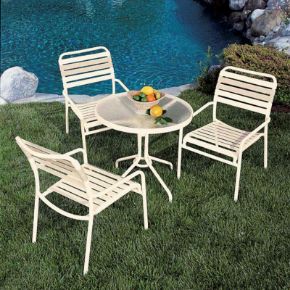
For facilities considering vinyl strap furniture, our vinyl strap pool furniture cleaning guide provides more detailed care information.
Review Exposure to Sun, Moisture, and Coastal Conditions
Outdoor chaise lounges should be selected with their intended environment in mind.
For properties with significant sunlight, review available information about the seating material, finish, and outdoor-use recommendations.
For facilities exposed to frequent moisture or coastal conditions, consider the manufacturer's guidance on frame finishes, hardware, cleaning, and maintenance.
No material should be treated as completely maintenance-free. Regular inspection and appropriate care remain important regardless of the chaise lounge style selected.
Balance Appearance With Pool-Deck Layout
.png)
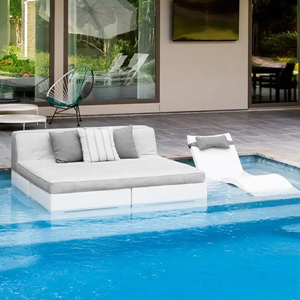
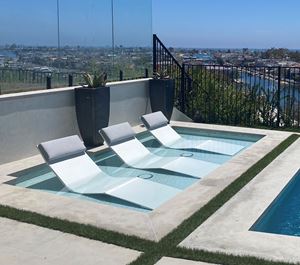
Chaise lounges contribute to the visual character of a poolside area, but appearance should be considered alongside space planning and daily operations.
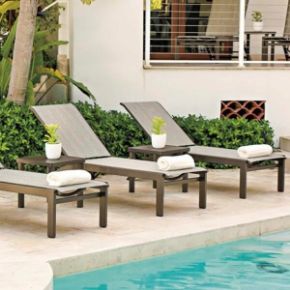
A sleek, modern chaise may complement a contemporary resort, while a more traditional design may better suit an established hotel or community property.
Colors, frame finishes, and seating styles can also help create a coordinated appearance across the pool deck.
Consider the Entire Poolside Seating Area
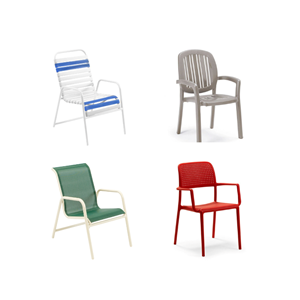
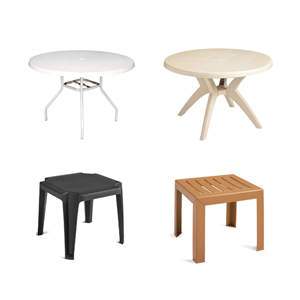
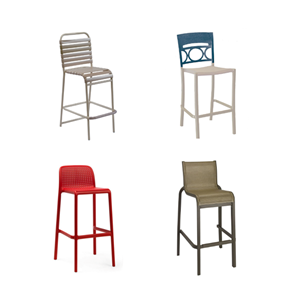
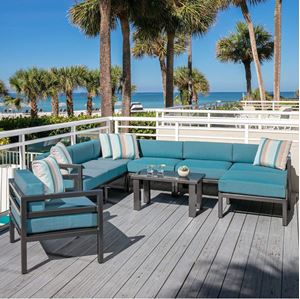
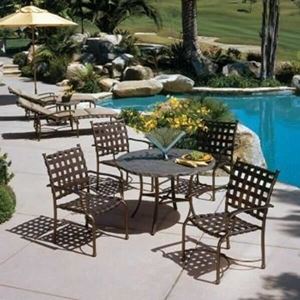
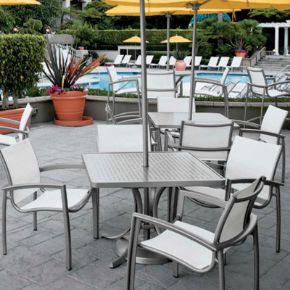
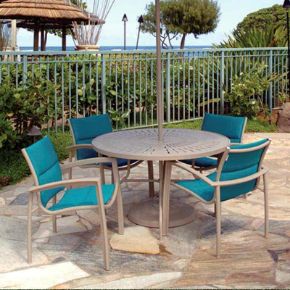
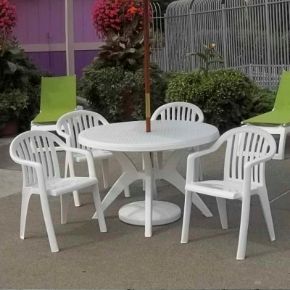
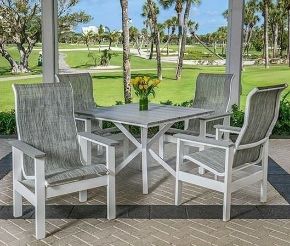
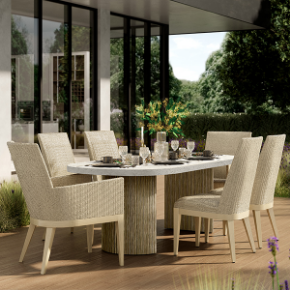
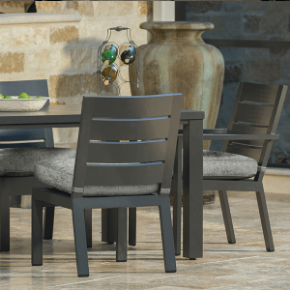
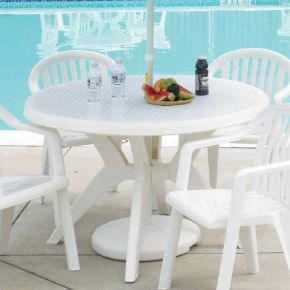
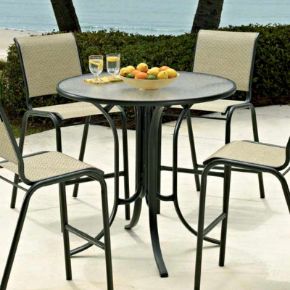
Think about how chaise lounges will work with your existing dining chairs, tables, umbrellas, and other pool furniture.
Coordinating finishes or furniture collections can create a consistent appearance without requiring every seating piece to serve the same purpose.
Chaise lounges are generally intended for reclining and relaxation, while upright dining chairs serve a different seating function. Facilities offering both lounging and dining areas should evaluate the furniture for each activity separately.
Check Quantity, Spacing, and Circulation
Before deciding how many chaise lounges to purchase, review the available deck space and how guests and staff move through it.
Consider entrances, exits, pool access, walking routes, furniture adjustment, cleaning access, and the placement of shade.
The number of lounges that can fit comfortably depends on the actual furniture dimensions, site layout, and applicable requirements.
Avoid calculating your final quantity from product width alone. A layout should account for how the furniture will be used, not simply how many units can be placed side by side.
For additional planning considerations, explore our guide to making better use of pool-deck space.
Commercial Chaise Lounge Selection: Quick Comparison Guide
Use this table to identify which features deserve the most attention based on your facility's priorities.
| Facility Priority | Features to Compare | What to Verify |
|---|---|---|
| Frequent guest turnover | Seating surfaces, cleaning access, frame construction | Manufacturer cleaning and care instructions |
| Guest comfort | Seat height, armrests, backrest adjustment | Actual dimensions and adjustment features |
| Limited storage | Stackability, weight, storage footprint | Model-specific stacking instructions and dimensions |
| Frequent furniture movement | Weight, handling, stacking design | Product weight and movement recommendations |
| Outdoor exposure | Frame finish, seating material, hardware | Intended-use and maintenance guidance |
| Coordinated design | Colors, finishes, complementary furniture | Available options for selected models |
The strongest choice is not necessarily the chaise with the most features. It is the one that best matches your property's operational needs, guest expectations, and available space.
What to Know Before Requesting a Commercial Chaise Lounge Quote
Once you have narrowed your preferences, gathering a few project details can make the quoting process more productive.
You do not need to know every product specification before reaching out. However, a clear understanding of your facility and purchasing priorities will help identify appropriate options.
Commercial Chaise Lounge Quote Checklist
- Facility type and location
- Estimated number of chaise lounges needed
- Preferred seating materials and frame styles
- Seat-height, armrest, and backrest preferences
- Stacking or storage requirements
- Color and design preferences
- Expected outdoor exposure and maintenance considerations
- Desired delivery timeframe and project constraints
If you are replacing existing furniture, photographs or model information from your current chaise lounges may also help clarify the style and features you want to maintain or change.
For larger projects, a sketch or layout showing the pool deck and proposed seating areas can provide additional context.
Questions Worth Asking Before You Order
When comparing specific models, ask for confirmation of the features that matter most to your facility.
These may include the exact seat height, overall dimensions, available armrest configurations, backrest adjustments, stackability, product weight, cleaning instructions, finish options, and applicable manufacturer warranty terms.
If matching future furniture purchases or obtaining replacement components is important, ask about those considerations for the particular collection rather than assuming every manufacturer offers the same options.
Delivery details, assembly requirements, and any project-specific services should also be confirmed as part of the quote process.
Make Your Final Selection Based on How Your Facility Operates
.png)
The right commercial chaise lounge should do more than complement your poolside design. It should provide an appropriate seating experience for guests while fitting your facility's cleaning practices, storage limitations, and daily operations.
Start with how the furniture will be used, then compare seating surfaces, frame construction, seat height, armrests, backrest features, and storage requirements.
Use manufacturer specifications to confirm the details that cannot be determined by appearance alone.
Find Commercial Chaise Lounges for Your Facility
Explore commercial chaise lounge styles and compare the seating materials, configurations, and design features that best fit your poolside project.
Explore Commercial Chaise Lounges
Leave your comment